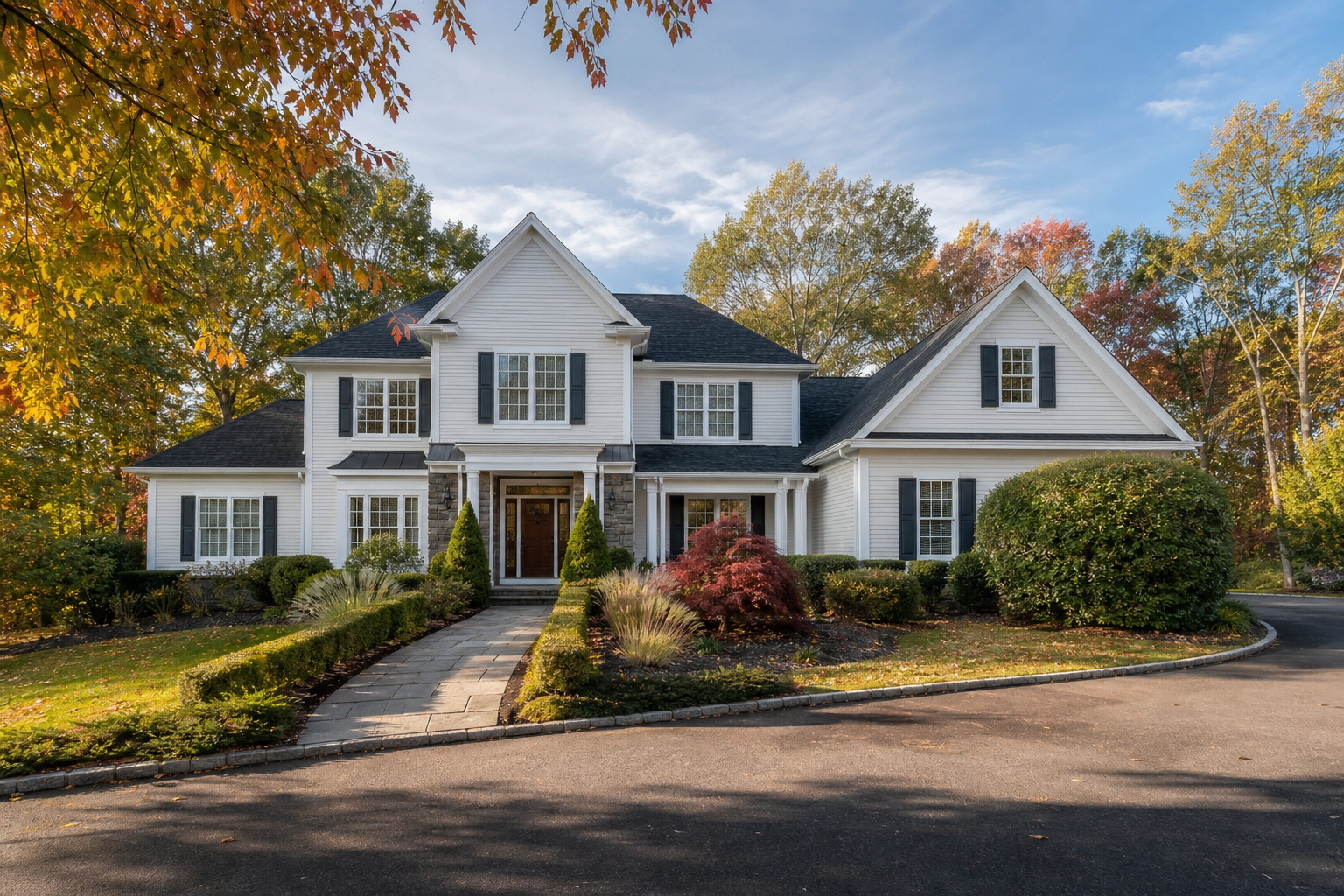
Is now a good time to sell a house in North Central Connecticut?
By Lori Gabriel
For most sellers in North Central Connecticut's Hartford County towns, 2026 remains a favorable market. Inventory is still historically tight, median prices have held firm or edged higher compared to recent prior-year figures, and motivated buyers continue to compete for well-priced homes. That said, the days of automatic bidding wars are largely behind us, and pricing right from day one has never mattered more.
If you've been sitting on the fence, here's what the actual data says, and what it means for your decision.
What the Market Numbers Actually Look Like Right Now
I always tell sellers to check what homes have actually sold for in their area before setting a price. Generic state-level headlines don't tell you what's happening in Enfield versus South Windsor versus Windsor Locks. So let's get specific.
According to the National Association of Realtors' research division, the broader Northeast region has maintained one of the tightest supply conditions in the country through the first half of 2026. Connecticut, in particular, has seen persistently low months of supply, which is the single biggest factor keeping sellers in a strong negotiating position.
The Connecticut Realtors market data has tracked Hartford County as one of the state's more active markets, with median sale prices for single-family homes remaining elevated relative to pre-2020 baselines. The most recent statewide figures available confirm that Connecticut's housing inventory, while slightly improved from 2022 lows, is still well below the 5-to-6 months of supply that economists consider a balanced market.
Here's a snapshot of what sellers in North Central Connecticut towns have generally been seeing heading into mid-2026:
| Town | Market Condition (Mid-2026) | Typical Days on Market | Price Trend vs. Prior Year |
|---|---|---|---|
| South Windsor | Seller-favorable | Under 30 days | Holding steady to slightly up |
| Windsor | Seller-favorable | Under 30 days | Holding steady |
| Enfield | Competitive | 20-35 days | Stable |
| Suffield | Competitive | 20-40 days | Stable to slight uptick |
| East Windsor | Competitive | 25-40 days | Stable |
| Windsor Locks | Competitive | 20-35 days | Stable |
| Ellington | Competitive | 25-40 days | Stable to slight uptick |
| Somers | Competitive | 25-45 days | Stable |
Note: These figures reflect general market conditions observed in North Central Connecticut through mid-2026 and are meant as directional guidance. Your specific property and neighborhood may differ. Contact Team Gabriel for a current comparative market analysis on your home.
What jumps out? Even in towns where days on market have crept up slightly from the frenzied pace of 2021-2022, homes are still moving. A well-priced, well-presented home in Enfield or Windsor isn't sitting for months. It's selling in weeks, often with multiple offers, if it's priced correctly from the start.
The Inventory Story Is Still the Seller's Best Friend
Here's the dynamic that matters most: buyers in North Central Connecticut still don't have a lot to choose from. According to NAR's existing home sales data, national inventory levels have been slowly recovering but remain below historical norms. Connecticut's situation mirrors this. When buyers have fewer choices, your home gets more attention, more showings, and more competitive offers.
The U.S. Census Bureau's new residential construction data shows that new home building in Connecticut has not kept pace with demand, which means the existing-home inventory squeeze isn't going away quickly. That's structural, not seasonal, and it works in your favor as a seller.
What About Interest Rates and Buyer Demand?
I hear this question constantly: "Won't high rates hurt my sale?" The honest answer is that rates have affected affordability and slowed some buyers at the margins, but they haven't emptied the buyer pool. As the Freddie Mac housing research has noted, many buyers who need to move, whether for jobs, family, or life changes, are moving regardless of rates. They're adjusting their price range, not sitting out entirely.
In towns like Newington, South Windsor, and Windsor, I'm still seeing qualified buyers who are pre-approved and ready. The Consumer Financial Protection Bureau's homebuying resources confirm that while the pool of casual rate-watchers has thinned, serious buyers are still very active. That's actually a good thing for sellers: fewer tire-kickers, more motivated offers.
That said, the days of a seller getting away with overpricing and waiting for a bidding war to bail them out are largely gone. Pricing right from day one beats chasing the market down with reductions, every single time. I've watched sellers in this market lose weeks and net proceeds by starting too high and then cutting. Don't be that seller.
Timing Your Sale: Summer, Fall, and What Actually Matters
The spring selling season, traditionally March through May, is behind us as of August 2026. But that doesn't mean you've missed your window. Not even close.
Here's what I tell every seller who asks me about timing: the best time to sell is when you're ready and your home is prepared, not when a calendar says so. That said, there are real patterns worth knowing.
The Fall Market Is Real and Underrated
September and October in North Central Connecticut have historically been strong months for sellers. Buyers who didn't find what they wanted in spring are still actively searching. Kids are back in school, schedules stabilize, and serious buyers re-engage. In my experience working with sellers in East Windsor, Ellington, and Somers, fall listings often face less competition from other sellers than spring listings do, which can actually work in your favor.
The NAR Realtors Confidence Index has consistently shown that buyer traffic, while seasonally lower in late summer and winter, doesn't disappear. Motivated buyers don't take the fall off.
What Sellers in This Market Should Do Before Listing
Regardless of when you list, these steps move the needle:
- Get a current comparative market analysis (CMA). Online estimates are a starting point, not a pricing strategy. I pull actual closed sales in your specific neighborhood, not zip-code averages, to find the number that attracts buyers without leaving money on the table.
- Address deferred maintenance before photos. Buyers in 2026 are savvy and have seen enough inspection reports to know what things cost. Small issues become big negotiating points if you leave them visible.
- Understand your carrying costs vs. your timing. Every month you delay has a cost too. That's worth factoring in, not just the sale price.
- Know your competition. What else is for sale right now in your price range in your town? That's your real competition, not the statewide average.
If you're also weighing a move to Western Massachusetts or South Florida, my team covers all three markets. That cross-market perspective matters when you're selling here and buying there. I've walked clients through that exact transition more times than I can count, and having one team who knows both ends of the move makes the whole process less stressful. You can also read more about why buyers are still active in this market if you're worried about who will be on the other side of your transaction.
And if you're curious about what's been happening with inventory and buyer activity this summer specifically, my post on the summer buyer's market has more context on what the extra inventory means for sellers like you.
The state of Connecticut and its surrounding region remain one of the more supply-constrained housing markets in the Northeast, and that fundamental dynamic continues to support seller pricing power in 2026, even as the market has normalized from its pandemic-era extremes. According to NAR's Housing Affordability Index, affordability pressures have shifted some demand but have not eliminated it in markets like Hartford County where prices remain more accessible than coastal metros.
Your specific number, the price that gets you the most qualified offers in the least amount of time, depends on your home's condition, location within your town, and the current week's competition. That's where a local market analysis from someone who actually sells in these towns makes the difference.
Frequently Asked Questions
Is it a good time to sell a house in Hartford County, CT in 2026?
For most sellers, yes. Hartford County continues to see limited inventory relative to buyer demand, which keeps prices firm and days on market relatively low compared to historical averages. That said, overpriced homes are sitting longer than they did in 2021-2022, so pricing strategy matters more than it did during the peak frenzy years.
How long are houses taking to sell in Connecticut in 2026?
In North Central Connecticut towns like South Windsor, Windsor, and Enfield, well-priced homes have generally been selling within 20-35 days as of mid-2026. Homes that are priced too high or need significant work can sit considerably longer. The gap between correctly priced and overpriced homes has widened compared to the 2021-2022 market.
Should I sell my house this fall in North Central Connecticut?
Fall, particularly September and October, is a genuinely strong window for sellers in this market. Buyer demand doesn't disappear after summer, and you'll often face less competition from other sellers than you would have in the spring. If your home is ready and priced right, listing in fall can absolutely produce strong results.
Will high mortgage rates hurt my home sale in Connecticut?
Rates have affected affordability and reduced the number of casual buyers, but motivated buyers, those relocating for work, upsizing for family reasons, or downsizing after life changes, are still active. In practice, this means fewer low-ball or contingency-heavy offers from buyers who aren't serious, which can actually streamline the process for sellers with well-priced, well-presented homes.
What's the biggest mistake sellers make in the current North Central CT market?
Overpricing at the start. I see it repeatedly: a seller prices above what the comps support, the home sits, and they end up doing a price reduction that signals to buyers that something is wrong, even when nothing is. That sequence almost always results in a lower final sale price than if they had priced correctly from day one. Getting a current, neighborhood-specific CMA before you list is the single best move you can make.
The bottom line is this: North Central Connecticut still favors sellers who are prepared and priced right. If you're thinking about listing this fall or planning ahead for next spring, the best next step is a conversation about what your specific home is worth in today's market, not last year's, not the state average, but your street, your condition, your competition right now.
Ready to find out what your home is worth in today's market? Schedule a consultation with Team Gabriel and I'll walk you through a current market analysis for your specific home and neighborhood. No pressure, just real numbers.
This article is provided for general informational purposes only and does not constitute legal, tax, or financial advice. Market conditions vary by property, neighborhood, and timing. Readers should confirm their own numbers with a licensed attorney, tax advisor, lender, or closing officer. Broker fees and commissions are fully negotiable and not set by law. Equal Housing Opportunity. Team Gabriel at Coldwell Banker Realty, licensed by the Connecticut Real Estate Commission. By providing contact information, visitors consent to telemarketing and automated calls and texts from teamgabriel.net; message and data rates may apply.
