At Home with Team Gabriel

You’ll find our blog to be a wealth of information, covering everything from local market statistics and home values to community happenings. That’s because we care about the community and want to help you find your place in it. Please reach out if you have any questions at all. We’d love to talk with you!

March 20, 2024

Does It Make Sense To Buy a Home Right Now?

Thinking about buying a home? If so, you're probably wondering: should I buy now or wait? Nobody can make that decision for you, but here's some information that can help you decide.

What’s Next for Home Prices?

Each quarter, Fannie Mae and Pulsenomics publish the results of the Home Price Expectations Survey (HPES). It asks more than 100 experts—economists, real estate professionals, and investment and market strategists—what they think will happen with home prices.

In the latest survey, those experts say home prices are going to keep going up for the next five years (see graph below):
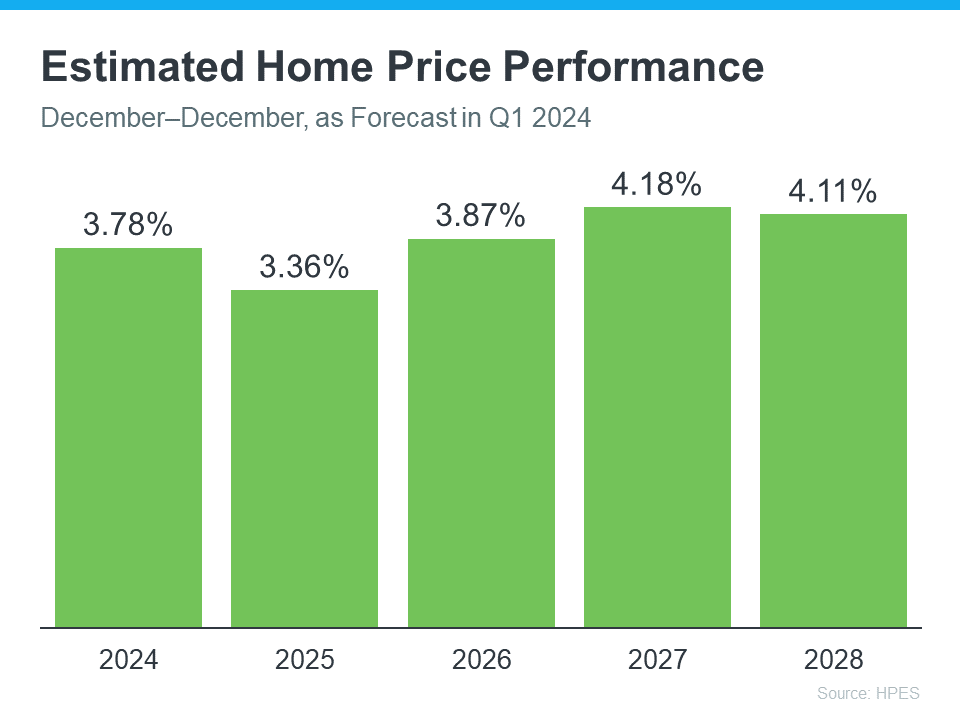
Here’s what all the green on this chart should tell you. They’re not expecting any price declines. Instead, they’re saying we’ll see a 3-4% rise each year.

And even though home prices aren’t expected to climb by as much in 2025 as they are 2024, keep in mind these increases can really add up over time. It works like this. If these experts are right and your home's value goes up by 3.78% this year, it's set to grow another 3.36% next year. And another 3.87% the year after that.

What Does This Mean for You?

Knowing that prices are forecasted to keep going up should make you feel good about buying a home. That’s because it means your home is an asset that’s projected to grow in value in the years ahead.

If you’re not convinced yet, maybe these numbers will get your attention. They show how a typical home’s value could change over the next few years using expert projections from the HPES. Check out the graph below:
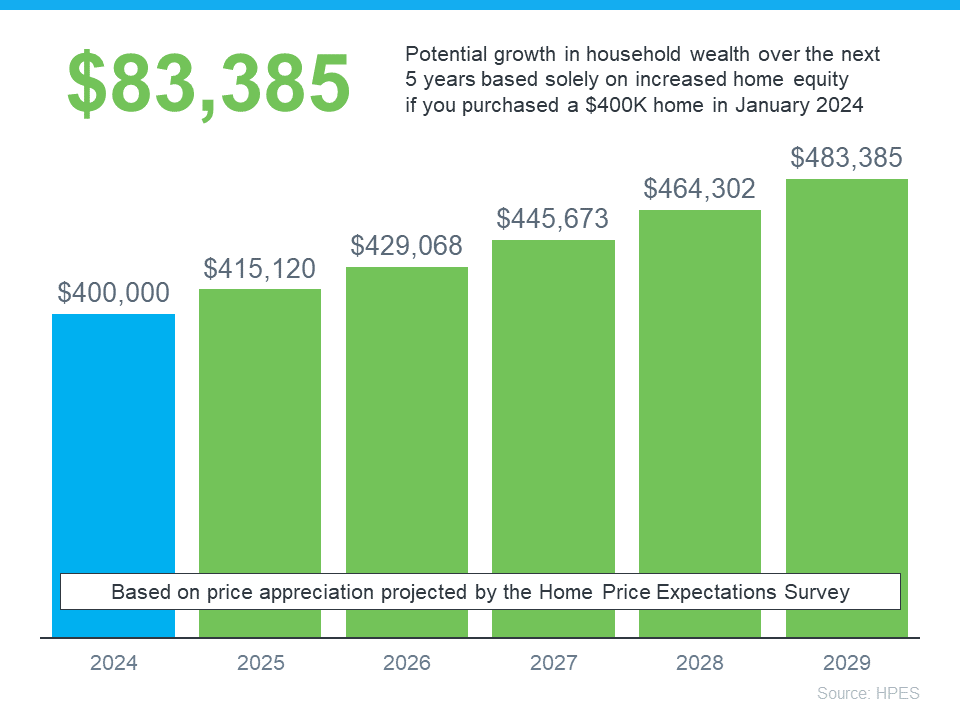
In this example, imagine you bought a home for $400,000 at the start of this year. Based on these projections, you could end up gaining over $83,000 in household wealth over the next five years as your home grows in value.

Of course, you could also wait – but if you do, buying a home is just going to end up costing you more. 

In Conclusion

If you're thinking it's time to get your own place, and you’re ready and able to do so, buying now might make sense. Your home is expected to keep getting more valuable as prices go up. Let’s team up to start looking for your next home today.

Posted in Buyers
March 20, 2024

4 Tips To Make Your Strongest Offer on a Home

Are you thinking about buying a home soon? If so, you should know today’s market is competitive in many areas because the number of homes for sale is still low – and that’s leading to multiple-offer scenarios. And moving into the peak homebuying season this spring, this is only expected to ramp up more.

Remember these four tips to make your best offer.

1. Partner with a Real Estate Agent

Rely on a real estate agent who can support your goals. As PODS notes:

“Making an offer on a home without an agent is certainly possible, but having a pro by your side gives you a massive advantage in figuring out what to offer on a house.”

Agents are local market experts. They know what’s worked for other buyers in your area and what sellers may be looking for. That advice can be game changing when you’re deciding what offer to bring to the table.

2. Understand Your Budget

Knowing your numbers is even more important right now. The best way to understand your budget is to work with a lender so you can get pre-approved for a home loan. Doing so helps you be more financially confident and shows sellers you’re serious. That gives you a competitive edge. As Investopedia says:

“. . . sellers have an advantage because of intense buyer demand and a limited number of homes for sale; they may be less likely to consider offers without pre-approval letters.”

3. Make a Strong, but Fair Offer

It’s only natural to want the best deal you can get on a home, especially when affordability is tight. However, submitting an offer that’s too low does have some risks. You don’t want to make an offer that’ll be tossed out as soon as it’s received just to see if it sticks. As Realtor.com explains:

“. . . an offer price that’s significantly lower than the listing price, is often rejected by sellers who feel insulted . . . Most listing agents try to get their sellers to at least enter negotiations with buyers, to counteroffer with a number a little closer to the list price. However, if a seller is offended by a buyer or isn’t taking the buyer seriously, there’s not much you, or the real estate agent, can do.

The expertise your agent brings to this part of the process will help you stay competitive and find a price that’s fair to you and the seller.

4. Trust Your Agent During Negotiations

After you submit your offer, the seller may decide to counter it. When negotiating, it's smart to understand what matters to the seller. Once you do, being as flexible as you can on things like moving dates or the condition of the house can make your offer more attractive.

Your real estate agent is your partner in navigating these details. Trust them to lead you through negotiations and help you figure out the best plan. As an article from the National Association of Realtors (NAR) explains:

There are many factors up for discussion in any real estate transaction—from price to repairs to possession date. A real estate professional who’s representing you will look at the transaction from your perspective, helping you negotiate a purchase agreement that meets your needs . . .” 

In Conclusion

In today's competitive market, let’s work together to find you a home you love and craft a strong offer that stands out. 

Posted in Buyers
March 20, 2024

Why Today’s Seller’s Market Is Good for Your Bottom Line

Thinking about selling your house and wondering if now’s a good time to do it? Here’s what you need to know. Even though the number of homes for sale has been growing this year, there still aren’t enough homes on the market for all the buyers who want to buy.

So, what does that mean for you? To keep it simple, it means it’s still a seller’s market. Here’s how it works:

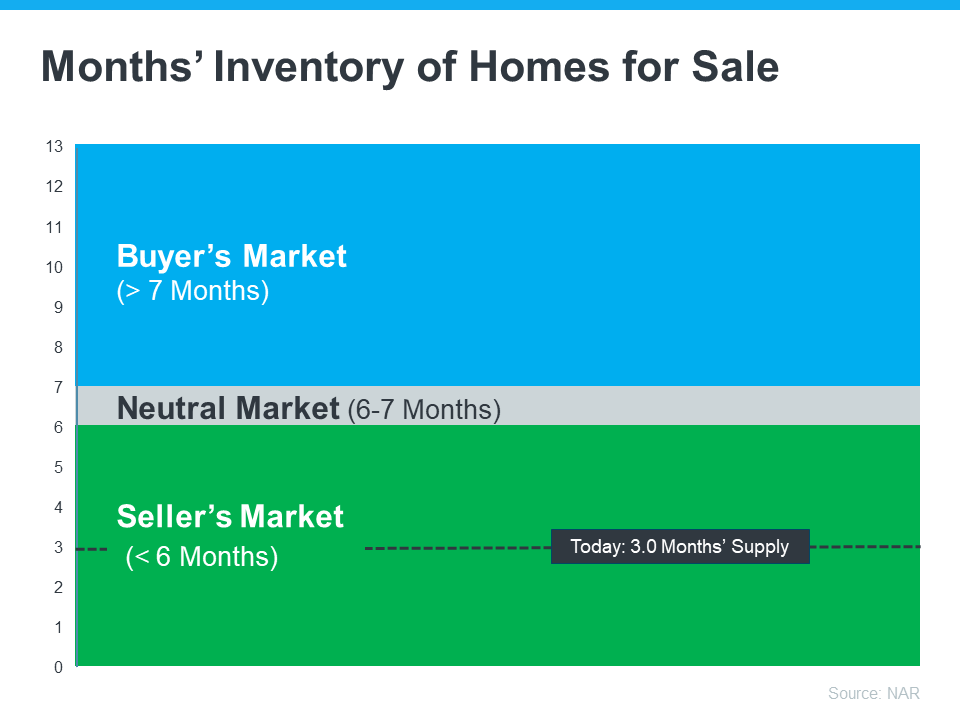
  • A neutral market is when supply and demand is balanced. Basically, there are enough homes to meet buyer demand based on the current sales pace, and home prices hold fairly steady.
  • A buyer’s market is when there are more homes for sale than there are buyers. When that happens, buyers have more negotiation power because sellers are willing to make compromises to close the deal. In a buyer’s market, sellers may have to do price cuts to re-ignite interest in their home, and prices may go down. But we haven’t seen this for years since there are so few homes available to buy.
  • In a seller’s market, it’s just the opposite. When the supply of homes for sale is as low as it is right now, it’s much harder for buyers to find homes to purchase. That creates increased competition among purchasers which can lead to more bidding wars. And if buyers know they may be entering a bidding war, they’re going to do their best to submit a very attractive offer upfront. This could drive the final sale price of your house up.

The graph below uses data from the National Association of Realtors to show just how deep into seller’s market territory we still are today:

What Does This Mean for You?

The market is still working in your favor. If you lean on an agent for advice on how to get your house list ready and how to price it competitively, it should get a lot of attention from eager buyers. That means you’ll likely get multiple offers and see your house sell quickly and for top dollar. As a recent article from Ramsey Solutions explains:

A seller’s market is when demand for homes is higher than the supply of homes. And that’s still the case right now. If you’re planning to sell your house, you can expect to sell it fairly quickly for close to your asking price—as long as your asking price is realistic for the current market.”

In Conclusion

Today’s housing market still favors sellers. If you’re ready to sell your house, let’s connect so you can start making your moves.

Posted in Housing Myths, Sellers
March 19, 2024

Get Your House Ready for the Market in 3 Easy Steps

Here’s what you need to know about preparing your home for sale.


Selling your home can be a significant undertaking, but with careful preparation, you can enhance its appeal and increase the likelihood of a successful sale. Whether you're a first-time seller or have experience in the real estate market, taking specific steps to prepare your home is crucial. Today, we'll explore three key points to help you get your home ready for the market.


1. Enhance curb appeal. When potential buyers arrive at your property, the first thing they notice is the exterior. A well-maintained and visually appealing exterior creates a positive first impression, setting the stage for a successful home tour. To enhance your home's curb appeal, invest time in landscaping to create an inviting atmosphere. Inspect your home's exterior for any needed repairs. Address issues such as peeling paint, cracked siding, or damaged roofing. Upgrade your front door and entryway to make a lasting impression. Consider a fresh coat of paint, a stylish welcome mat, and well-placed potted plants. 


"With careful preparation, you can enhance your home’s appeal and increase the likelihood of a successful sale."


2. Declutter and depersonalize. Buyers want to envision themselves living in your home, and that's easier to do when they can see the space without distraction. Start by decluttering each room. Consider renting a storage unit for excess belongings or items that may distract potential buyers. Pack away personal items such as family photos and unique decor. Depersonalizing your space allows buyers to visualize their own belongings in the home, making it easier for them to imagine living there. Give your home a thorough cleaning. Pay attention to details like dusty corners, smudged windows, and scuffed baseboards. 


3. Highlight key features. Consider professional staging to showcase the potential of each room. Stagers can arrange furniture and decor in a way that maximizes space and highlights key features, helping buyers see the full potential of your home. Make minor upgrades to key areas like the kitchen and bathrooms. Updated fixtures, a fresh coat of paint, or modern hardware can make a significant difference. These small investments can contribute to a higher perceived value of your home. Ensure your home is well-lit during showings. Natural light is particularly appealing, so open curtains and blinds to let it in. Consider adding ambient lighting in darker areas to create a warm and inviting atmosphere.


By taking these three key steps, you'll not only enhance your home's appeal but also increase its market value. Call or email me with any questions. I look forward to hearing from you!

Posted in Expert Advice, Sellers
March 13, 2024

Just Sold Properties with Team Gabriel

Posted in Video Clips
March 7, 2024

The Benefits of Downsizing When You Retire

If you’re taking a look at your expenses as you retire, saving money where you can has a lot of appeal. One long-standing, popular way to do that is by downsizing to a smaller home.

When you think about cutting down on your spending, odds are you think of frequent purchases, like groceries and other goods. But when you downsize your house, you often end up downsizing the bills that come with it, like your mortgage payment, energy costs, and maintenance requirements. Realtor.com shares:

“A smaller home typically means lower bills and less upkeep. Then there’s the potential windfall that comes from selling your larger home and buying something smaller.”

That windfall is thanks to your home equity. If you’ve been in your house for a while, odds are you’ve built up a considerable amount of equity. And that equity is something you can use to help you buy a home that better fits your needs today. Daniel Hunt, CFA at Morgan Stanley, explains:

Home equity can be a significant source of wealth for retirees, often representing a large portion of their net worth. . . . Retirement planning can be complex, but your home equity shouldn't be overlooked.”

And when you’re ready to use that equity to fuel your next move, your real estate agent will be your guide through every step of the process. That includes setting the right price for your current house when you sell, finding the home that best fits your evolving needs, and understanding what you can afford at today’s mortgage rate.

What This Means for You

If you’re thinking about downsizing, ask yourself these questions:

  • Do the original reasons I bought my current house still stand, or have my needs changed since then?
  • Do I really need and want the space I have right now, or could somewhere smaller be a better fit?
  • What are my housing expenses right now, and how much do I want to try to save by downsizing?

Then, meet with a real estate agent to get an answer to this one: What are my options in the market right now? A local real estate agent can walk you through how much equity you have in your house and how it positions you to win when you downsize.

In Conclusion

Want to save money in retirement? Consider downsizing – it could really help you out. When you’re ready, let’s connect about your goals in the housing market this year.

Posted in Buyers, Sellers
March 7, 2024

Why Access Is So Important When Selling Your House

If you’re gearing up to sell your house this spring, one of the early conversations you’ll have with your agent is about how much access you want to give buyers. And you may not realize just how important it is to make your house easy to tour.

Spring is the peak homebuying season, so opening up your house to as many showings as possible can really help you capitalize on all the extra buyer activity we see at this time of year.

Since buyer competition ramps up in the spring, buyers are going to want to move fast to see your house once they find your listing. And, if they see it and fall in love with it at a time they know they’re competing with other buyers, you may be more likely to get the offer you’re looking for on your home.

It’s understandable you want to keep the disruptions to your own schedule to a minimum, and you may be stressed about having to keep it clean, but it’s worth it. As an article from Investopedia explains:

If someone wants to view your house, you need to accommodate them, even if it inconveniences you. Clean and tidy the house before every single visit. A buyer won’t know or care if your house was clean last week. It’s a lot of work, but stay focused on the prize.”

To figure out what’s best for you, your agent will walk you through options like the ones below. This list breaks things down, starting with what’s most convenient for buyers and getting less buyer-focused as the list goes on:

  • Lockbox on the Door – A key is available via a lockbox, which makes it easy for agents to show the home to potential buyers. This gives the most flexibility because the key is on-site and convenient.
  • Providing a Key to the Home – An agent would have to stop by an office to pick up the key with this option. This is still pretty convenient for showings, but not quite as simple.
  • Open Access with a Phone Call – You allow a showing with just a phone call’s notice, which can be great for someone who sees your house while driving by.
  • By Appointment Only – This gives you a more advanced warning so you can get the house tidied up and be sure you have somewhere else you can go in the meantime. But it’s also a bit more restrictive.
  • Limited Access – You might go this route if you only want to have your house available on specific days or at certain times of day. But realize this is the most difficult and least flexible of the choices.

As an article from U.S. News Real Estate says:

Buyers like to see homes on their schedule, which often means evenings and weekends. Plus, they want to be able to tour a home soon after they find it online, especially if they're competing with other buyers. If your home can be shown with little or no notice, more prospective buyers will see it. If you require 24 hours’ notice, they may choose to skip your home altogether.

Your agent is going to help you find the right path forward based on your schedule and what’s working for other sellers in your area. And if you’ve got a hardline on granting buyers more access or have interested out of town buyers that just can’t be there in person, your agent will get creative and help you explore other options like video tours, virtual showings, and more.

In Conclusion

When it comes to selling your house, you want to be sure to get as much buyer activity as you can. Let’s connect to talk about which level of access helps make that possible.

Posted in Sellers
March 6, 2024

What To Know About Credit Scores Before Buying a Home

If you want to buy a home, you should know your credit score is a critical piece of the puzzle when it comes to qualifying for a mortgage. Lenders review your credit to see if you typically make payments on time, pay back debts, and more. Your credit score can also help determine your mortgage rate. An article from US Bank explains:

A credit score isn’t the only deciding factor on your mortgage application, but it’s a significant one. So, when you’re house shopping, it’s important to know where your credit stands and how to use it to get the best mortgage rate possible.

That means your credit score may feel even more important to your homebuying plans right now since mortgage rates are a key factor in affordability. According to the Federal Reserve Bank of New York, the median credit score in the U.S. for those taking out a mortgage is 770. But that doesn’t mean your credit score has to be perfect. The same article from US Bank explains:

Your credit score (commonly called a FICO Score) can range from 300 at the low end to 850 at the high end. A score of 740 or above is generally considered very good, but you don’t need that score or above to buy a home.

Working with a trusted lender is the best way to get more information on how your credit score could factor into your home loan and the mortgage rate you’re able to get. As FICO says:

“While many lenders use credit scores like FICO Scores to help them make lending decisions, each lender has its own strategy, including the level of risk it finds acceptable. There is no single “cutoff score” used by all lenders and there are many additional factors that lenders may use to determine your actual interest rates.

If you’re looking for ways to improve your score, Experian highlights some things you may want to focus on:

  • Your Payment History: Late payments can have a negative impact by dropping your score. Focus on making payments on time and paying any existing late charges quickly.
  • Your Debt Amount (relative to your credit limits): When it comes to your available credit amount, the less you’re using, the better. Focus on keeping this number as low as possible.
  • Credit Applications: If you’re looking to buy something, don’t apply for additional credit. When you apply for new credit, it could result in a hard inquiry on your credit that drops your score.

In Conclusion

Finding ways to make your credit score better could help you get a lower mortgage rate. If you want to learn more, talk to a trusted lender.

Posted in Buyers
March 6, 2024

Why You Want an Agent’s Advice for Your Move

No matter how you slice it, buying or selling a home is a big decision. And when you’re going through any change in your life and you need some guidance, what do you do? You get advice from people who know what they’re talking about.

Moving is no exception. You need insights from the pros to help you feel confident in your decision. Freddie Mac explains it like this:

“As you set out to find the right home for your family, be sure to select experienced, trusted professionals who will help you make informed decisions and avoid pitfalls.”

And while perfect advice isn’t possible – not even from the experts, what you can get is the very best advice out there.

The Power of Expert Advice

For example, let’s say you need an attorney. You start off by finding an expert in the type of law required for your case. Once you do, they won’t immediately tell you how the case is going to end, or how the judge or jury will rule. But what a good attorney can do is walk you through the most effective strategies based on their experience and help you put a plan together. They’ll even use their knowledge to adjust that plan as new information becomes available.

The job of a real estate agent is similar. Just like you can’t find a lawyer to give you perfect advice, you won’t find a real estate professional who can either. That’s because it’s impossible to know everything that’s going to happen throughout your transaction. Their role is to give you the best advice they can.

To do that, an agent will draw on their experience, industry knowledge, and market data. They know the latest trends, the ins and outs of the homebuying and selling processes, and what’s worked for other people in the same situation as you.

With that expertise, a real estate advisor can anticipate what could happen next and work with you to put together a solid plan. Then, they’ll guide you through the process, helping you make decisions along the way. That’s the very definition of getting the best – not perfect – advice. And that’s the power of working with a real estate advisor.

In Conclusion

If you’re looking to buy or sell a home, you want an expert on your side to help you each step of the way. Let’s connect so you have advice you can count on.

Feb. 28, 2024

What Must Sellers Reveal in Disclosures?

Three important things to disclose before your home is sold.


When making an offer on a house, one of the first things buyers get from the seller is a property disclosure. This is also referred to as a property disclosure statement, a real estate disclosure form, or a home disclosure. The specifics vary by state, but most states, including ours, require some type of seller disclosure. The goal is to add transparency to the transaction.


In this disclosure, a seller provides written information about known things that could impact the property's value. While there are many different things a seller must disclose, I’m going to highlight three of the most forgotten (and impactful) items:


1. HOA information. If the home is located within a homeowners association, you should disclose that fact. Associations generally impose monthly fees on homeowners, and they can impose rules on their membership that a prospective buyer might or might not find acceptable. You also need to know about the HOA's financial health and provide this information to the buyer so they can make an informed purchasing decision.


"When in doubt, disclose."


2. Repairs. If your home has major structural issues, you have to disclose them to a potential seller. In addition to repairs that need to be made, you must also disclose repairs that have been completed. Buyers need to know the home's repair history so they can have their home inspectors pay extra attention to problem areas. You may also want to disclose electrical or plumbing repairs and any other problems you would want to know about if you were going to buy the home.


3. Federal seller’s disclosure requirement. If your home was built before 1978, federal law requires that you disclose that the property may produce exposure to lead from lead-based paint. It was federally banned for consumer use during that year. Sellers of homes built before 1978 must also provide buyers with an EPA pamphlet titled, "Protect Your Family From Lead In Your Home.” Then they must give buyers 10 days to conduct a paint inspection or risk assessment for lead-based paint and include a "lead warning statement" in the contract.


The key thing to remember about disclosures is that when in doubt, disclose. Failing to disclose something you were aware of beforehand could lead to a messy legal situation.


If you have further questions about what you need to disclose when selling your home or anything else related to real estate, don’t hesitate to reach out via phone or email. I look forward to hearing from you soon.


Posted in Expert Advice, Sellers