Home Search
At Home with Team Gabriel
You’ll find our blog to be a wealth of information, covering everything from local market statistics and home values to community happenings. That’s because we care about the community and want to help you find your place in it. Please reach out if you have any questions at all. We’d love to talk with you!
What Do Experts Forecast for the 2025 Housing Market?
Right now, the No. 1 question I’m getting is, “What’s going to happen to the housing market in 2025?” I get it; a lot of people had plans to move this year but put things on hold due to higher mortgage rates and a slowing market. This begs the question: Will 2025 be any different? The short answer is yes, although there probably won’t be a dramatic shakeup that flips the market on its head. Today, I’m going over what the top experts are forecasting for mortgage interest rates, home prices, and buyer demand in 2025. Plus, I’ll share my insights on how you can get ready for these changes before the new year even starts:
1. Mortgage rates will ease slightly. It’s no secret that higher mortgage interest rates have hurt affordability for buyers and caused our market to slow down. U.S. existing home sales hit a 14-year low in September 2024, and one of the biggest reasons why is that would-be buyers are sitting on the sidelines waiting for rates to drop. While Fannie Mae and Freddie Mac aren’t predicting rates to crash to where they were a few years ago, most experts believe rates will fall below the 6% mark for the first time since Q2 of 2022. Since mortgage rates are a key factor in housing affordability, this is fantastic news for buyers sitting on the fence.
2. Home prices will increase slightly. While home prices have stagnated recently or even come down in some areas of the country, prices are projected to rise in 2025. Different institutions have varying forecasts, but prices are expected to rise 2.6% when you average their predictions. This is a modest increase compared to what we’ve seen from the last few years, but it projects stability for our market. Homeowners don’t have to worry about prices crashing, while things will stay relatively affordable for new buyers.
3. More buyers will enter the market. Lower interest rates and steady prices mean demand for homes will increase. According to the Senior Economist at Wells Fargo, “Lower financing costs will likely boost demand by pulling affordability-crunched buyers off of the sidelines.” As these buyers enter the market, the pace will speed up. Homes will sell faster, competition will increase, and supply will decrease as more buyers fight over fewer options.
So what does this all mean for you? If you want to sell, 2025 is looking to be a great year for the market, so I recommend you start planning your move now so you can get a head start. On the other hand, buyers need to act fast. There will be a very short window where rates are lower, but home prices haven’t increased yet. If you’d like to plan for 2025, whether you’re looking to sell or buy, please call or email me. I’d love to help you plan your next move!
Should I Consider a “Low-Ball” Investor Offer?
Recently, I received a call from a friend asking about a “lowball” offer they received while trying to sell their home. Even though they had priced their home very reasonably, this offer was well below what they were expecting—what was happening? As it turned out, this offer came from an investor.
In case you aren’t aware, offers from investors are becoming more common all across the country. According to Business Insider, 44% of homes were purchased by investors in 2023, and this number is expected to increase.
So, if investors pay below market value for homes, why do so many people accept their offers? Does it make sense for you to consider an investor offer when selling? To answer these questions, today, I’m going over three key benefits of investor offers you should consider when selling your home:
1. Investors don’t care about the condition of your home. To get top dollar on the open market, you need to put in a little work. Painting, landscaping, staging, marketing, and more are necessary to truly maximize your sale. If you don’t have the time or money to put in this work, or you just don’t want to deal with the hassle, you might want to consider an investor offer. They will pay for your home as-is, which means they don’t care if it’s a bit of a fixer-upper.
2. Investors close quickly. The market is a little slower than it used to be, and this can be a huge hurdle if you need to move as soon as possible. Fortunately, investor sales often move quickly. They’re used to buying homes on a regular basis, and there aren’t many negotiations when selling to an investor since they don’t care much about the condition of your house. They may even be willing to give you flexible closing terms to make it easier for you to find housing after moving.
3. Investors pay in cash. In real estate, cash is king. One of the most common reasons why real estate deals fall apart is because the buyer can’t secure proper financing from a bank. However, you don’t have to worry about that with cash buyer investors. Real estate agents love working with cash buyers because there’s no delay; if they have the money, they can get it to you immediately.
While it might initially seem like an investor is trying to lowball you, the truth is that they provide an option that gives you maximum convenience. If that sounds like something you might be interested in, call or email me, and I can get you a free quote for an instant cash offer on your home. On the other hand, if you’re determined to get the best price possible, I can help get your home ready for the open market with as little stress as possible. I look forward to hearing from you
Why Your House Will Shine in Today’s Market
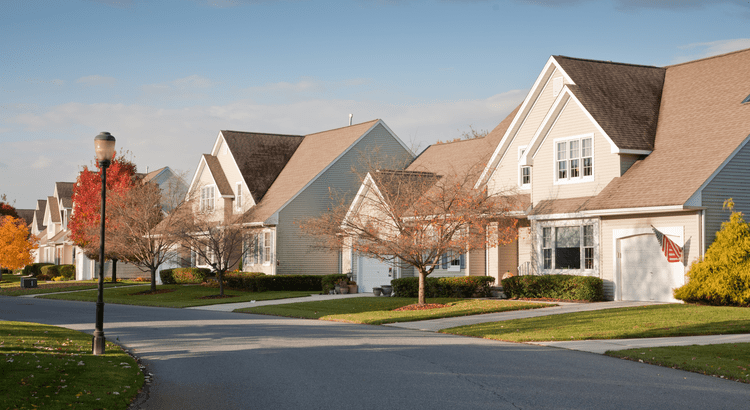
Even though there are more homes available for sale than there were at this time last year, there are still more buyers than there are houses to choose from. So, know that if you’ve got moving on your mind, your house can really stand out.
There are several key reasons why there aren’t enough homes to go around and understanding them will help you see why the market is working in your favor if you’re ready to make a move.
What’s Causing the Shortage?
1. Underproduction of Homes: For years, the industry hasn’t built enough homes to keep up with demand. As Zillow explains:
“In 2022, 1.4 million homes were built — at the time, the best year for home construction since the early stages of the Great Recession. However, the number of U.S. families increased by 1.8 million that year, meaning the country did not even build enough to make a place for the new families, let alone begin chipping away at the deficit that has hampered housing affordability for more than a decade.”
2. Rising Costs: Building materials, labor shortages, and supply chain disruptions caused by the pandemic have all made it harder and more expensive to build homes. This can either limit or stop new home construction in some areas.
3. Regional Imbalances: Some markets are more affected by the shortage of homes than others. Popular and more desirable areas have more people moving in faster than new homes can be built. The number of new building permits issued doesn’t always keep pace with job growth in these regions, and that leads to even tighter markets and higher prices.
How Big Is the Problem?
According to estimates from Real Estate News, the U.S. is facing a housing shortfall of roughly 3.3 million homes, based on an average of several expert insights (see graph below):
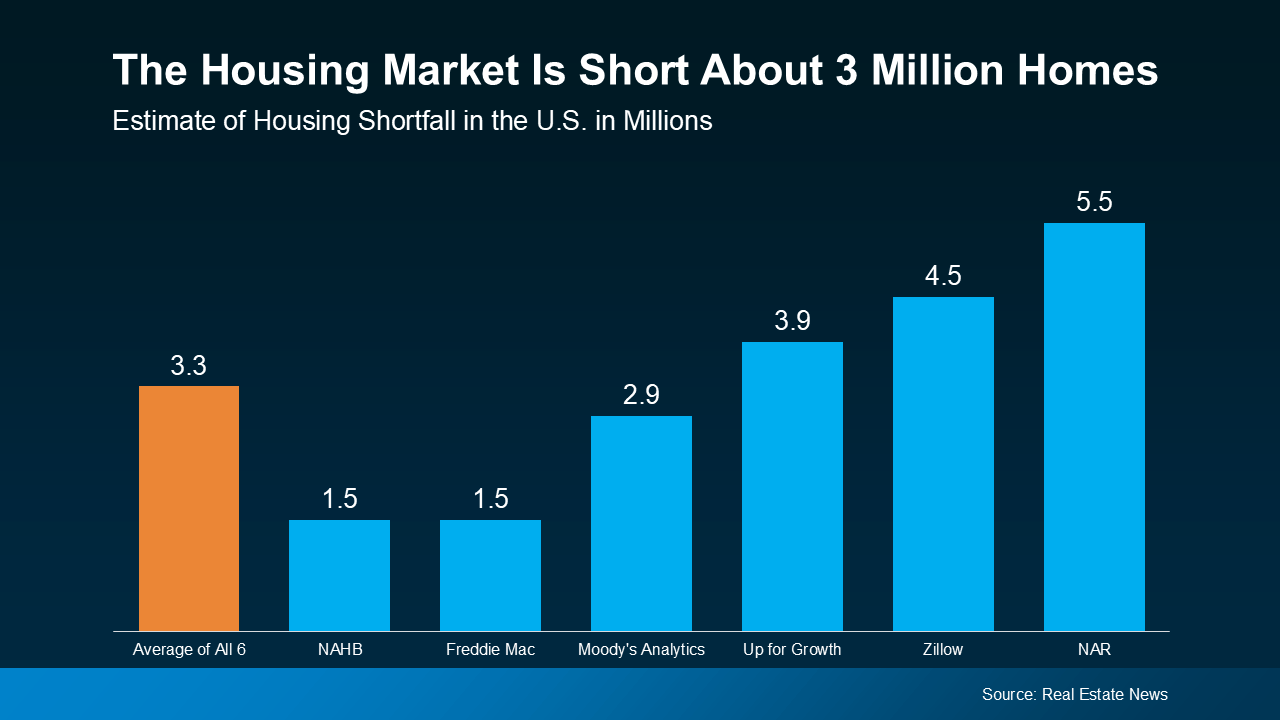
This shows there’s a significant number of homes that need to be built just to meet current demand from buyers. But what about future demand?
According to John Burns Research and Consulting (JBREC), over the next 10 years, the U.S. will need about 18 million new homes to meet projected demand, including homes for new households, second homes, and replacements for aging or unusable homes.
So, even though more homes are on the market compared to last year, there still aren’t enough of them to go around. This is where you can really win if you’re ready to sell your house.
What You Need To Remember
If you’re thinking about selling, the shortage of homes for sale means your house is likely to get some serious attention from buyers. It’ll take years to climb out of this inventory deficit, and the market is still very tight. So, when buyers are competing for relatively few homes like they are right now, that creates more interest in the houses that are on the market, putting upward pressure on prices and ultimately working in your favor.
And since every market is different, it’s important to work with a real estate agent who understands local trends. They can help you price your house right and create a strategy to attract the right buyers.
In Conclusion
While there are more homes for sale than there were at this time last year, there’s still a shortage overall. And this puts you in the driver’s seat as a seller. Let’s connect so you have someone who can help you take advantage of today’s market.
Planning To Sell Your House in 2025? Start Prepping Now

If your goal is to sell your house in 2025, now’s the time to start prepping. Even though it might seem like there’s plenty of time between now and the new year, you should get a head start on any updates or repairs you want to make now. As Danielle Hale, Chief Economist at Realtor.com, says:
“ . . . now is the time to start thinking about what you need for your next home and then taking those steps to prepare to list . . . We have survey data that says 47 percent of sellers are taking longer than a month to get their home ready to sell, so getting them to start that process early can mean more flexibility.”
By starting your prep work early, you’ll give yourself plenty of time to get your house market-ready by the end of the year. But be sure to partner with a great agent before you get started, so you have expert insight into what repairs are worth it based on your local market.
Why Starting Early Is Key
To get the best price and sell quickly, it’s important that your home looks its best. And that means it’s up to you to make the necessary repairs, declutter, and even consider updates that could add value as part of getting your house ready to list.
By starting now, you can tackle things one task at a time. Whether it’s fixing that leaky faucet, refreshing your landscaping, or painting a room, getting an early start gives you the flexibility to do the job right and with as little stress as possible. Because, if you wait to knock items off your list later on, they could quickly stack up and get overwhelming. As Realtor.com explains:
“There are some important repairs to make before selling a house, so don’t be in too much of a hurry to get your home listed … if you move too fast, buyers see right through the fact that you skipped important home renovations. And this . . . might end up costing you time and money.”
What Should You Focus On?
Feeling motivated to start chipping away at that to-do list, but not sure where to start? Here’s a look at the most common improvements other sellers are making today (see graph below):
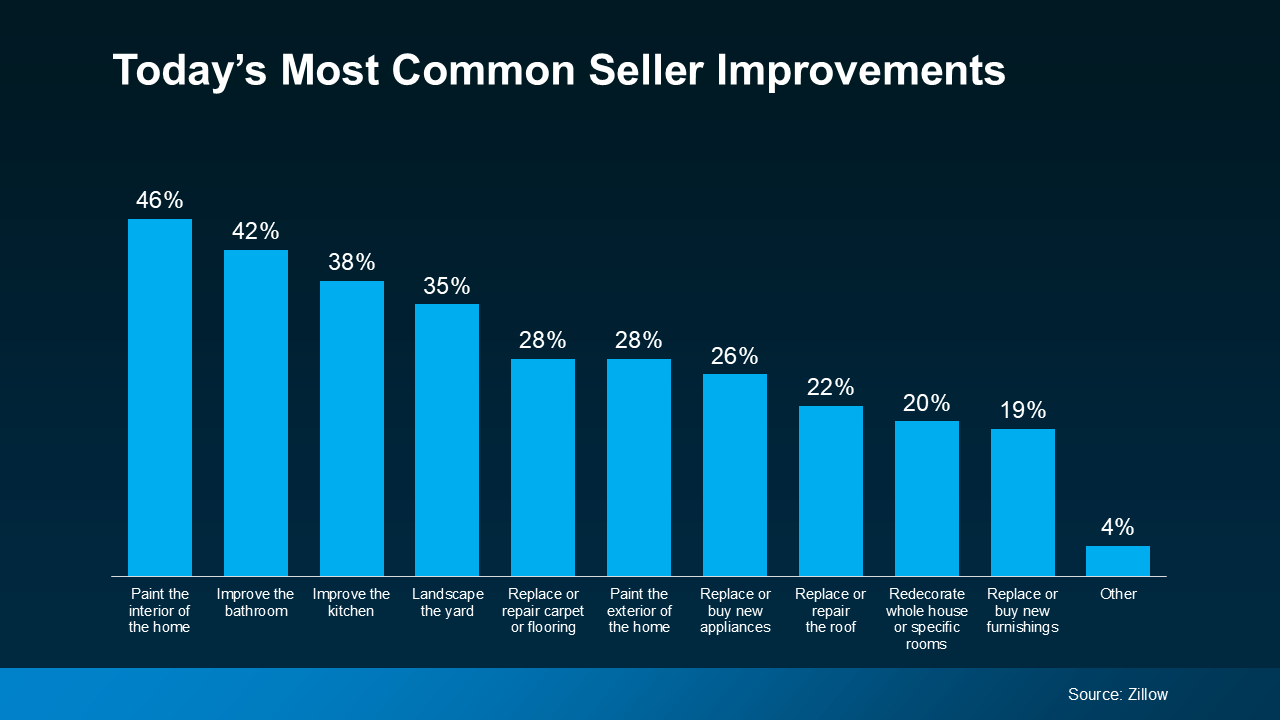
The Importance of Working with a Local Agent
And while that data gives you a starting point, it shouldn’t be seen as a comprehensive list. What buyers want in your area may be different, and only a local agent will have this in-depth understanding.
For example, if homes in your area are selling quickly with updated kitchens, your agent might suggest focusing on minor kitchen improvements rather than spending money on other areas that won’t offer as much return. They’ll also help you figure out if tackling larger projects, such as replacing your roof or upgrading your HVAC system, is worth it based on other recently sold homes. As Point says:
“Not all renovations are created equal, and focusing on upgrades that offer the highest potential for increasing your home's value is key.”
And remember, it’s not just big-ticket items that can have an impact. Your agent will also speak to some of the smaller details – like cleaning up your yard, adding fresh mulch, or painting your front door – to make a real difference in how buyers feel about your home. This type of expert eye is crucial to help your house sell fast and for top dollar.
In Conclusion
Thinking of selling your house next year? Don’t wait until the last minute to get it ready. By getting a head start now, you can ensure everything is in place by the time the new year rolls around.
Need advice on what to tackle first? Let’s connect.
What To Expect from Mortgage Rates and Home Prices in 2025
Curious about where the housing market is headed in 2025? The good news is that experts are offering some promising forecasts, especially when it comes to two key factors that directly affect your decisions: mortgage rates and home prices.
Whether you're thinking of buying or selling, here’s a look at what the experts are saying and how it might impact your move.
Mortgage Rates Are Forecast To Come Down
One of the biggest factors likely affecting your plans is mortgage rates, and the forecast looks positive. After rising dramatically in recent years, experts project rates will ease slightly throughout the course of 2025 (see graph below):
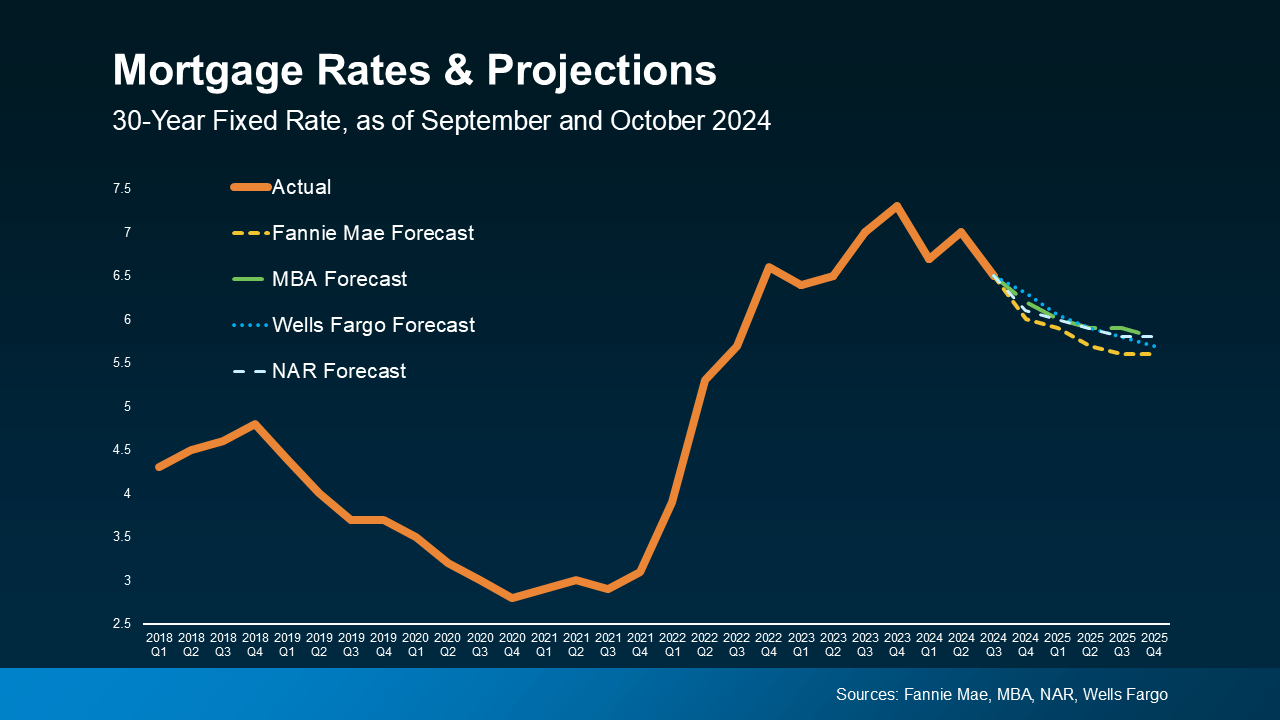
While that decline won’t be a straight line down, the overall trend should continue over the next year. Expect a few bumps along the way, because the trajectory of rates will depend on new economic data and inflation numbers as they’re released. But don’t get too hung up on those blips and reactions from the market as they happen. Focus on the bigger picture.
Lower mortgage rates mean improving affordability. As rates come down, your monthly mortgage payment decreases, giving you more flexibility in what you can afford if you buy a home.
This shift will likely bring more buyers and sellers back into the market, though. As Charlie Dougherty, Director and Senior Economist at Wells Fargo, explains:
“Lower financing costs will likely boost demand by pulling affordability-crunched buyers off of the sidelines.”
As that happens, both inventory and competition among buyers will ramp back up. The takeaway? You can get ahead of that competition now. Lean on your agent to make sure you understand how the shifts in rates are impacting demand in your area.
Home Price Projections Show Modest Growth
While mortgage rates are expected to come down slightly, home prices are forecast to rise—but at a much more moderate pace than the market has seen in recent years.
Experts are saying home prices will grow by an average of about 2.5% nationally in 2025 (see graph below):
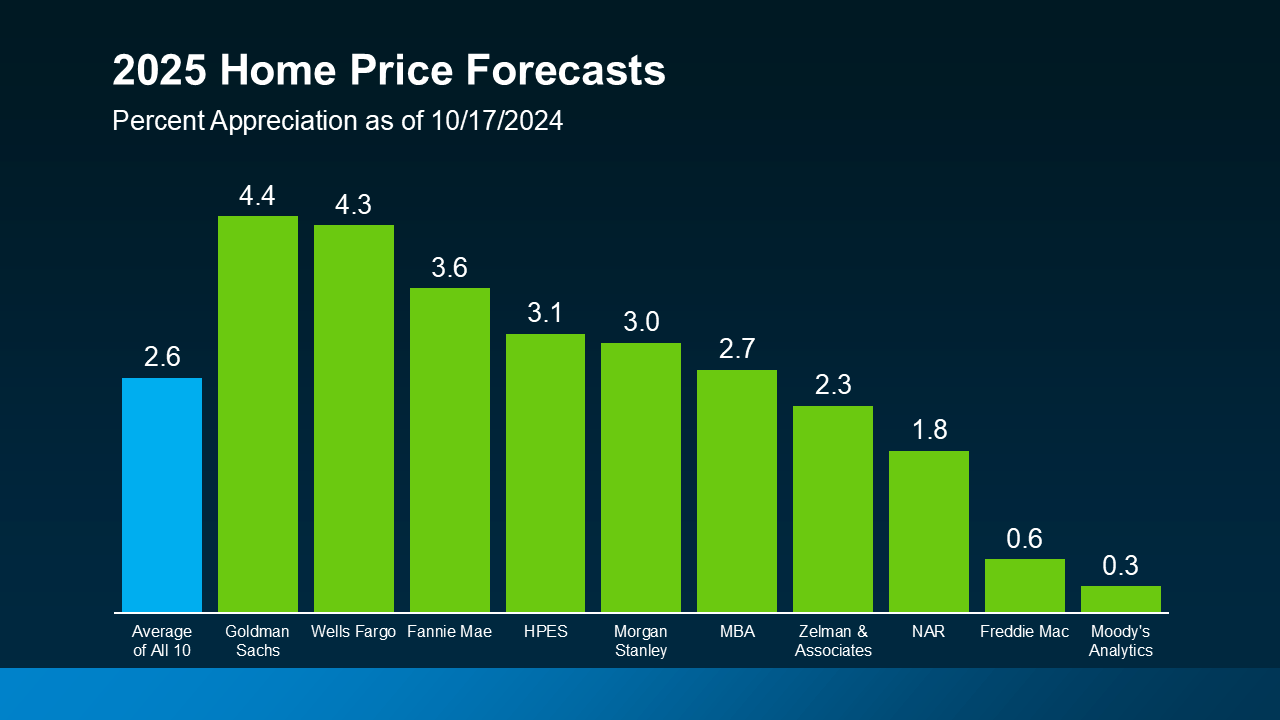
This is far more manageable than the rapid price increases of previous years, which saw double-digit percentage growth in some markets.
What’s behind this ongoing increase in prices? Again, it has to do with demand. As more buyers return to the market, demand will rise – but so will supply as sellers feel less rate-locked.
More buyers in markets with inventory that’s still below the norm will put upward pressure on prices. But with more homes likely to be listed, supply will help keep price growth in check. This means that while prices will rise, they’ll do so at a healthier, more sustainable pace.
Of course, these national trends may not reflect exactly what’s happening in your local market. Some areas might see faster price growth, while others could see slower gains. As Lance Lambert, Co-Founder of ResiClub, says:
“Even if the average national home price forecast for 2025 is correct, it’s possible that some regional housing markets could see mild home price declines, while some markets could still see elevated appreciation. That has been, after all, the case this year.”
Even the few markets that may see flat or slightly lower prices in 2025 have had so much appreciation in recent years – it may not have a big impact. That’s why it’s important to work with a local real estate expert who can give you a clear picture of what’s happening where you’re looking to buy or sell.
In Conclusion
With mortgage rates expected to ease and home prices projected to rise at a more moderate pace, 2025 is shaping up to be a more promising year for both buyers and sellers.
If you have any questions about how these trends might impact your plans, let’s connect. That way you’ve got someone to help you navigate the market and make the most of the opportunities ahead.
